Uganda’s Wetlands Are Under Pressure — Why Protecting Them Matters More Than Ever
Uganda’s wetlands are facing growing pressure from urbanisation, waste dumping, agriculture and climate change. As the country begins implementing its National Wetland Strategic Plan 2026–2036, protecting these ecosystems is becoming increasingly important for communities, biodiversity and climate resilience.
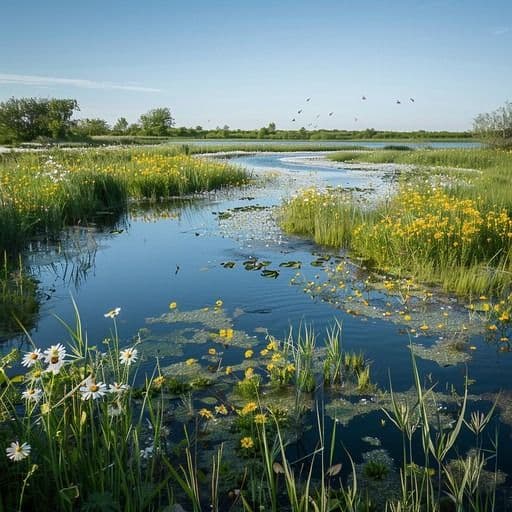
Wetlands are often described as the kidneys of the environment, but in Uganda they are much more than that. They provide water, support livelihoods, regulate floods, store carbon and create habitats for countless species.
Yet these vital ecosystems are increasingly under pressure.
Across Uganda, wetlands face threats from land conversion, illegal construction, waste disposal, pollution and unsustainable resource use. The pressure is particularly visible around rapidly growing urban areas, where demand for land continues to increase.
According to Uganda’s National Wetland Strategic Plan 2026–2036, wetlands provide critical services including water purification, flood regulation, carbon storage, biodiversity protection and livelihood support. However, land-use conversion, pollution, unsustainable resource use and climate change continue to threaten their ecological functions.
When wetlands disappear, communities feel the impact
Wetlands act as natural sponges. During heavy rainfall, they absorb and temporarily hold excess water, helping reduce flooding. They also filter pollutants and support water systems that communities and ecosystems depend on.
When wetlands are drained, filled or covered with buildings, their ability to perform these functions is reduced.
The consequences can include increased flooding, polluted water sources and the loss of habitats for wildlife.
Uganda’s National Environment Management Authority has repeatedly warned against wetland encroachment and illegal waste disposal. In 2026, NEMA intensified enforcement and restoration activities in several areas, including efforts to remove illegal structures and restore degraded wetland sections.
Waste is becoming another major threat
The challenge is not only construction.
Poor waste management is also placing pressure on Uganda’s ecosystems. Plastic, household waste and other pollutants can find their way into drainage channels, wetlands, rivers and lakes.
During the rainy season, waste dumped in inappropriate places can be carried into waterways, worsening pollution and blocking drainage systems.
The government and development partners are therefore increasingly looking at integrated approaches to waste management. In Masaka City, for example, a 2026 climate cooperation project is being developed to support an integrated municipal solid waste and healthcare waste management system serving a rapidly growing urban population.
A new decade for wetland conservation
Uganda has now entered a new phase of wetland management with the National Wetland Strategic Plan 2026–2036.
The strategy seeks to strengthen wetland governance, improve knowledge about wetland ecosystems, encourage community participation and mobilise financing for conservation.
The plan also recognises that conservation cannot succeed through enforcement alone.
Communities living around wetlands need practical and sustainable alternatives that allow them to earn a living without destroying the ecosystems on which their livelihoods ultimately depend.
Conservation must include communities
For environmental protection to succeed, communities must be part of the solution.
Farmers, local leaders, businesses, schools, cultural institutions and young people all have a role to play.
Simple actions can make a difference: avoiding dumping waste in wetlands, protecting natural drainage channels, planting appropriate vegetation, reporting illegal encroachment and supporting responsible land-use practices.
The Ministry of Water and Environment says its wetland management work focuses on conservation, restoration and sustainable management while supporting biodiversity, water regulation and climate resilience.
Protecting wetlands is protecting Uganda’s future
The debate around wetlands is ultimately about more than land.
It is about the kind of environment Uganda wants to leave for future generations.
As cities expand and the effects of climate change become more challenging, natural ecosystems such as wetlands will become increasingly important. Destroying them may provide short-term economic benefits, but the long-term costs can be far greater.
Uganda’s new 2026–2036 wetland strategy provides an opportunity to change the direction.
The success of that strategy, however, will depend not only on government policies and enforcement, but also on whether citizens, businesses and communities recognise that wetlands are valuable natural infrastructure.
Protecting a wetland today could mean preventing a flood tomorrow, preserving biodiversity for the future and strengthening the resilience of an entire community.
For Uganda, wetland conservation is no longer simply an environmental issue. It is a development, climate and community issue.