
30 dead after landfill collapse in Guinea Conakry.
Among other possible ways one can die, a pile of rubbish should never become a on the list. Unlike the people of Conakry, Guinea, where it has happened.On...
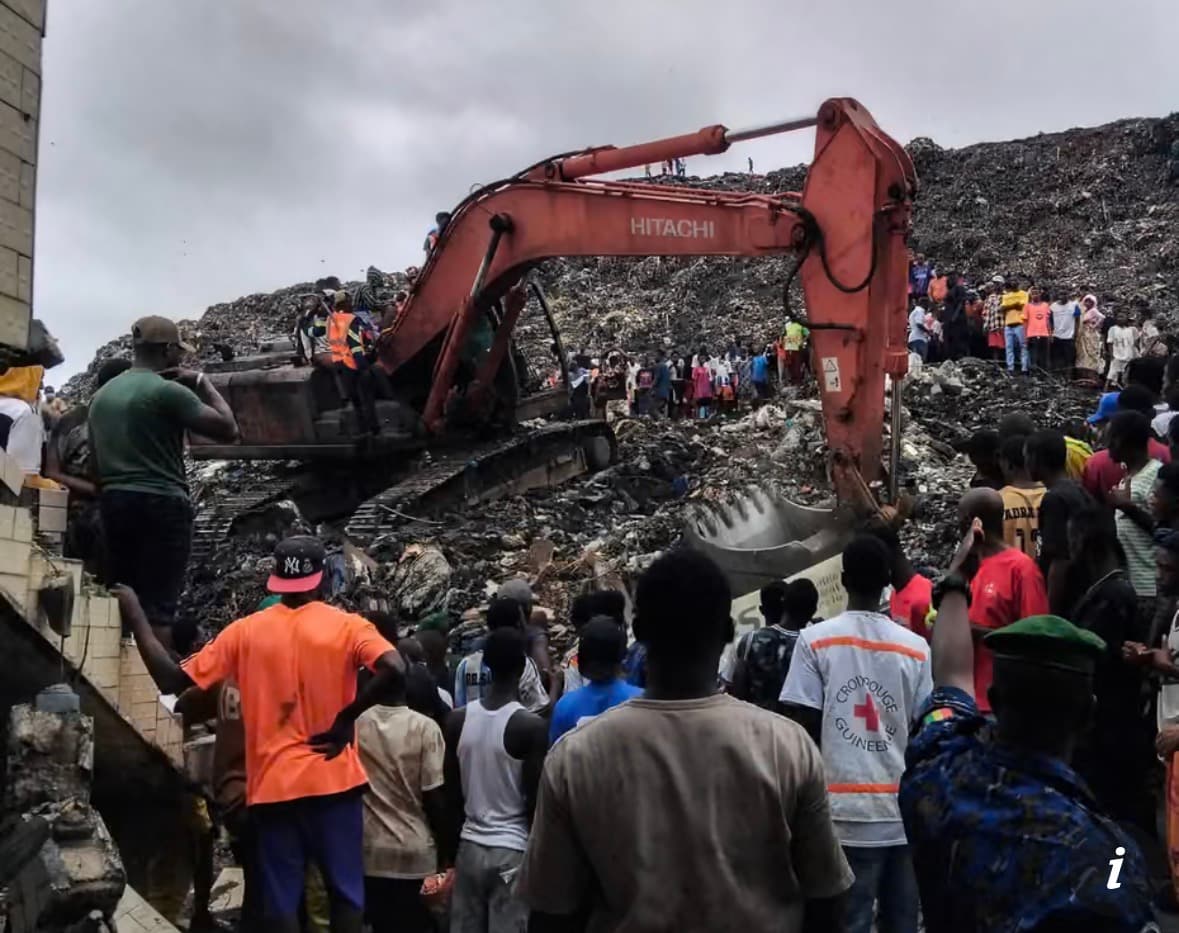
Among other possible ways one can die, a pile of rubbish should never become a on the list. Unlike the people of Conakry, Guinea, where it has happened.
On Sunday, 23 August, a huge mound of waste collapsed after heavy rain, killing dozens of people and injuring many others. Homes and makeshift shelters near the waste site were buried under tonnes of rubbish and mud.
Behind every number is a person. A mother. A father. A child. A neighbour. Someone who went to sleep expecting to wake up the next morning. Instead, families woke up to a searching and rescue mission through waste and mud for their loved ones.
The painful tragedy left over 30 people dead and 16 nursing injuries. In 2024 the same tragedy happened in Kiteezi, Kampala, Uganda leaving 35 people dead. These pre-incidents set a clear reminder that poor waste is a human life threatening challenge that needs urgent addressing especially in developing countries.
On Thursday, Guinea’s Minister of Territorial Administration, Djénabou Touré Camara, announced that the government was closing the landfill because it was unsafe and planned to move the waste outside Conakry, especially because of the risk of landslides during the rainy season. But just days later, the landfill collapsed. On Sunday, Prime Minister Amadou Oury Bah visited the site to assess the damage and oversee the response, urging people to “remain calm, show solidarity, and strictly follow the instructions of rescue services and the competent authorities.”
“I have lost all my five children. All I can do is put my trust in God” Cire Diallo said. Diallo lost all her children in the disaster.
Amadou Oury Bah, Guinea’s prime minister visited the landfill on Sunday the 23rd August 2026 to asses the damage and response urging people to remain calm while following rescue instructions.
Several African countries are seated on piles of garbage thus the deaths in Conakry should be a wake-up call to manage waste and protect communities.